Entry · Ref JHWEUHWC
Fotona 4D Laser Facial (TimeWalker) in Encino, CA for Visible Rejuvenation Without Surgery
- Posted
- 2026-10-22
- Last amended
- 2026-10-22
- Account
- @judahjinv191
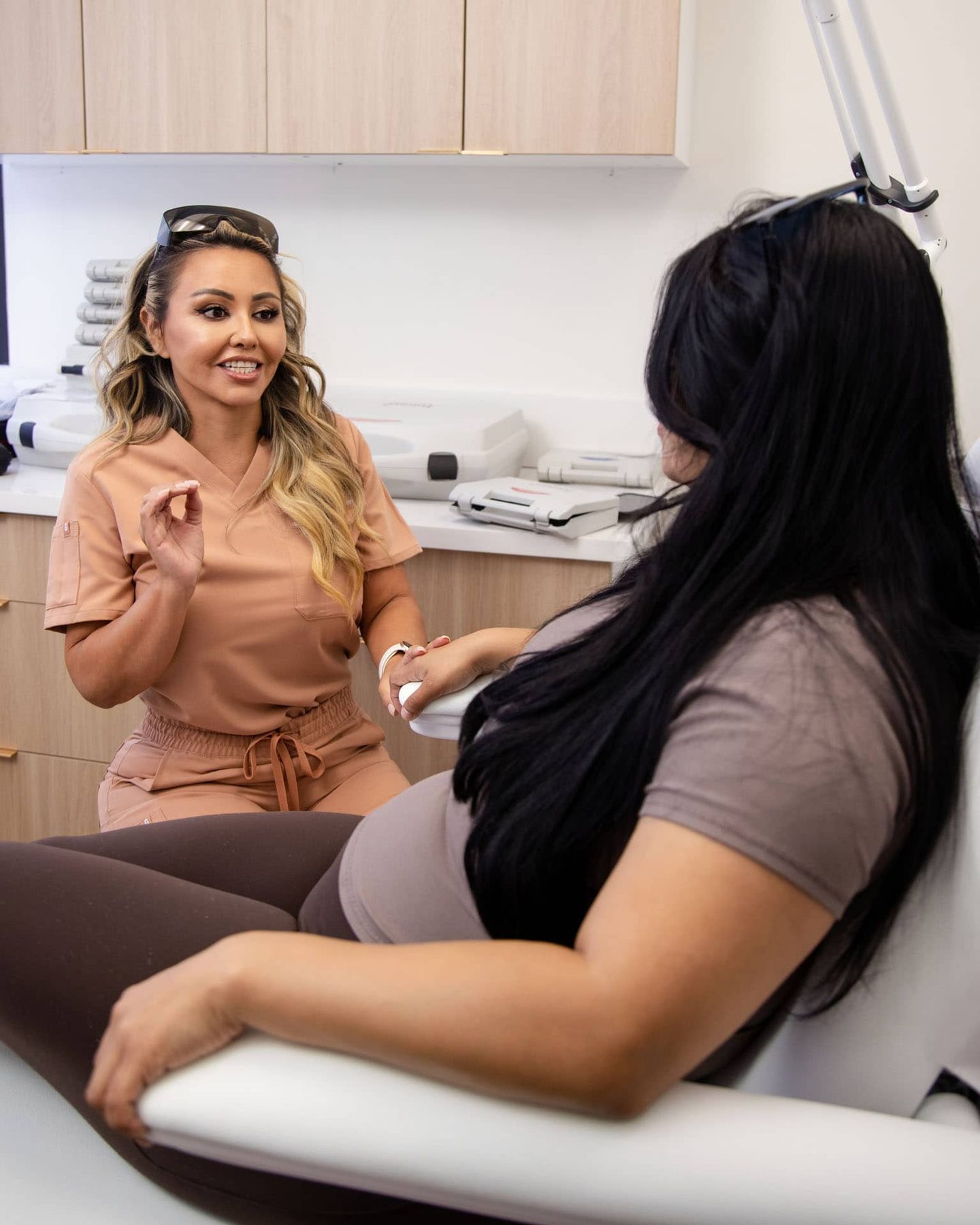
A lot of aesthetic treatments promise “no downtime” and “natural-looking results,” but not many hold up once real patients start asking harder questions. Will it help with early jowling? Can it soften smoker’s lines without filler? Is it realistic for someone who wants fresher skin but has no interest in surgery, stitches, or weeks of recovery?
That is where the Fotona 4D Laser Facial (TimeWalker) enters the conversation. In Encino, where patients often want visible rejuvenation that still looks like their own face, this treatment has earned attention for a simple reason: it does several useful things in one session. It addresses skin texture, fine lines, mild laxity, and overall tone through a layered laser approach rather than a single pass with a single goal.
The appeal is not mystery. It is method. Instead of chasing one symptom of aging, the treatment works across multiple tissue levels, including both the outside of the skin and the inside of the mouth. For the right patient, that combination can create a firmer, smoother, more rested appearance without changing facial character.
Why patients in Encino ask about TimeWalker
Encino patients tend to be well informed, and they usually arrive with a short list of priorities. They want improvement they can see in normal daylight. They want to avoid the abrupt “done” look. They want a treatment plan that fits between work, family obligations, social events, and exercise. And they want honest guidance about what a laser can and cannot do.
The Fotona 4D Laser Facial (TimeWalker) in Encino, CA appeals to that patient mindset because it sits in a practical middle ground. It is more comprehensive than a basic facial or light lunchtime treatment, but it is far less invasive than surgery. It can be especially useful for people noticing early skin laxity around the lower face, etched lines around the mouth, crepey texture, or a dull complexion that no topical product seems to fix.
In practice, many people seeking this treatment are not trying to look dramatically younger. They want their face to match how they feel. They may be healthy, sleeping well, and consistent with skincare, but their reflection still looks tired. Others have had injectables and like them, yet feel something is missing because skin quality and tissue support are separate issues. A well-chosen laser treatment can help fill that gap.
What the Fotona 4D Laser Facial actually is
Despite the name, this is not a “facial” in the spa sense. It is a medical laser treatment that uses Fotona’s Er:YAG and Nd:YAG technologies in a four-step sequence designed to tighten, smooth, and refresh the skin. The “4D” refers to four treatment modes layered in one appointment. The TimeWalker platform is the device system often used to deliver these settings.
One of the distinguishing features is that part of the treatment is done intraorally, meaning inside the mouth, to heat tissue and stimulate collagen support from within. That matters because some of the earliest visible aging shows up around the nasolabial folds, marionette lines, and lower cheek support. Treating only the surface can help, but addressing tissue from the inside can add another dimension.
The treatment is often described as a non-surgical facelift alternative, and that phrase is useful as long as it is handled carefully. It is an alternative for the patient who is not ready for surgery or does not yet need surgery. It is not a replacement for a surgical facelift in someone with significant skin laxity, deep jowling, or heavy neck tissue. Good providers say that clearly.
The four layers, and why the sequence matters
The value of Fotona 4D is not just that there are four steps. It is that each step addresses a different issue, and the combined effect can be more noticeable than one isolated treatment.
The first phase is often called SmoothLiftin. This is the intraoral portion. Laser energy is delivered inside the cheeks and around the mouth to heat deeper tissue and encourage collagen remodeling. Patients usually find this unusual more than painful. It feels warm and structured rather than sharp. The payoff is subtle support in areas that can otherwise be hard to treat without injectables or surgery.
The next layer generally uses FRAC3, which targets deeper imperfections in a fractional pattern. This is helpful for textural irregularities, certain fine lines, and localized signs of photodamage. In experienced hands, it adds precision without aggressively removing the top layer of skin.
The third step, often called PIANO mode, uses bulk heating to tighten tissue more diffusely. This is where many patients feel the treatment becoming more “lifting” in concept. Gentle, sustained heat can promote collagen response in a broader zone, especially through the lower face and jawline.
The final phase is a superficial Er:YAG polish, sometimes referred to as SupErficial. This brightens the skin, smooths the surface, and gives the complexion that cleaner, more refined look people often associate with post-laser glow.
What makes this sequence effective is that it does not rely on one dramatic injury to create change. It stacks controlled, purpose-driven steps. In practical terms, that often means less downtime than a fully ablative resurfacing treatment, while still offering more visible change than a very light laser session.
What concerns it can realistically improve
This is where expectations matter. The best outcomes happen when the treatment matches the problem. In the right context, Fotona 4D can improve skin quality in a way that looks believable and elegant. It is often a strong choice for patients bothered by early to moderate signs of aging rather than advanced tissue descent.
It tends to be most useful for softening fine lines around the mouth, improving mild laxity through the cheeks and jawline, refining texture, brightening tired-looking skin, and smoothing the look of enlarged pores. Many providers also use it to improve overall collagen support and help the face look less creased and less deflated, even when the patient is not adding filler.
Patients with acne scarring, deeper wrinkles, or more advanced sun damage may still benefit, but the treatment plan may need modification. Sometimes a series is better than a single session. Sometimes a stronger resurfacing treatment, microneedling radiofrequency, injectables, or surgery may be more appropriate. The mature face rarely responds well to one-size-fits-all thinking.
A point worth stressing is that visible rejuvenation does not always mean dramatic tightening. Often it shows up first as better light reflection, smoother makeup application, softer creases, and a rested expression. Those details matter because they are what people notice at conversational distance.
The treatment experience, from consultation to same-day recovery
A proper consultation should be more than a sales conversation. A thoughtful provider looks at skin thickness, laxity, texture, pigment patterns, oral anatomy if the intraoral step is planned, prior procedures, cold sore history, medications, and skin sensitivity. In Encino, where many patients combine treatments over time, it is also important to know whether someone recently had filler, neuromodulator injections, peels, or other lasers.
On treatment day, the skin is cleansed and prepped. Depending on settings and patient sensitivity, topical numbing may be used for comfort, though not every portion requires it. Eye protection is standard. The intraoral step usually surprises first-time patients because it sounds intimidating, but many tolerate it well. The external laser passes bring varying sensations of heat, prickling, and warmth. The final polishing pass can feel more active on the skin surface.
Treatment length varies, but many appointments fall in the range of about 45 to 90 minutes, depending on the treatment area and intensity. That is one reason busy professionals in Encino often consider it manageable. You are not committing to an operating room day, but you are also doing something more substantial than a quick lunchtime peel.
Right after the session, the skin may look pink to red, and there can be a warm, slightly sunburned sensation. Some patients have mild swelling, especially around the mouth and cheeks. Surface roughness or a sandpapery feel can develop over the next day or two, particularly if the superficial polishing step is more assertive. Most patients can return to many normal activities quickly, though social downtime varies with settings and personal comfort.
Downtime is real, even when it is modest
This is one of those areas where marketing language sometimes gets ahead of lived experience. “No downtime” is not a reliable universal description. Some patients do have very little visible recovery. Others have two to five days of redness, mild swelling, dryness, or texture change that they would rather not showcase at a dinner party.
That does not mean the treatment is disruptive. It means that sensible scheduling helps. If someone has an important event, I usually think it is wise to allow at least a week of buffer, especially for a first session. Skin can be unpredictable, and first-time laser patients often do not know whether they will be the person who looks presentable the next morning or the person who still has flushed cheeks on day three.
This is also why aftercare matters. Gentle cleansing, hydration, sun protection, and avoiding heat exposure for a short period can make recovery smoother. Picking, scrubbing, and rushing back into active skincare too soon are common mistakes. The skin often tells you what it needs if you pay attention to it.
Who tends to be a good candidate
The ideal candidate is not defined by age alone. I have seen younger patients in their 30s use treatments like this to address early texture changes and maintain collagen support, while patients in their 50s and 60s pursue it because they want visible improvement without surgery.
Good candidates usually share a few traits:
- They want natural-looking rejuvenation rather than a dramatic transformation in one visit.
- They have mild to moderate laxity, fine lines, textural issues, or dullness.
- They understand that collagen remodeling takes time and may require a series.
- They are willing to follow pre-treatment and aftercare instructions carefully.
- They have realistic expectations about what non-surgical treatment can achieve.
Candidacy also depends on skin type, active acne, melasma history, recent tanning, certain medications, and overall skin health. Darker skin tones can sometimes be treated safely, but parameter selection and provider expertise become especially important. Not every laser suits every skin type in the same way.
If a patient has significant lower-face heaviness, prominent neck banding, or excess skin, surgery may simply give a better result. There is nothing cynical about saying that. It is part of ethical treatment planning.
How many sessions are usually needed
A single session can produce visible brightness and some tightening, but many patients do best with a series. The exact number depends on age, baseline collagen quality, degree of laxity, and whether the main goal is maintenance or correction.
For someone in their late 30s or early 40s with early signs of aging, a series of a few treatments spaced several weeks apart may be enough to create a noticeable reset. For someone with more established lines and laxity, additional sessions may make sense, followed by maintenance once or twice a year. Some patients see the best changes gradually over two to three months as collagen remodeling continues.
This delayed payoff is worth understanding before treatment. Lasers often reward patience. You may see some immediate smoothing and radiance, but the structural benefits build over time. Patients who expect a facelift by next Friday are usually poor candidates for any collagen-based procedure.
How it compares with other popular options
Encino patients often compare Fotona 4D with microneedling RF, ultrasound-based skin tightening, traditional ablative resurfacing, and injectables. Each has its place.
Microneedling RF can be excellent for textural refinement, pores, and some tightening, especially in acne-scarred or thicker skin. Ultrasound-based tightening may target deeper structural layers well, but not everyone sees the same degree of visible surface change. Ablative resurfacing can produce more dramatic texture improvement, though it usually comes with more downtime. Fillers and neuromodulators work on volume and muscle movement, but they do not replace collagen remodeling in the skin itself.
What makes the Fotona 4D Laser Facial (TimeWalker) in Encino, CA stand out is versatility. It can blend lifting, surface improvement, and collagen stimulation in one treatment plan. For a patient who does not want to bounce between multiple devices and appointments, that is a practical advantage.
Still, “best” is always contextual. The best treatment is the one that addresses the main complaint with the least unnecessary intervention. If the issue is volume loss in the midface, a laser alone may not be Fotona 4D Laser Facial (TimeWalker) Encino, CA the answer. If the issue is etched lip lines and crepey texture, it may be a very smart choice.
Combining Fotona 4D with other aesthetic treatments
Combination therapy often gives the most refined results, but timing matters. A patient may pair this treatment with neuromodulators for forehead or crow’s feet lines, or with conservative filler if there is true structural volume loss. Skincare also makes a difference. Retinoids, pigment-regulating agents, antioxidants, and diligent sunscreen use can prolong and support the results.
The mistake I see most often is overtreating too many variables at once. When patients stack strong lasers, peels, and injectables in a short timeframe, it becomes harder to judge what worked, what irritated the skin, and what should be adjusted next. Good aesthetic medicine is rarely about doing everything possible. It is about sequencing wisely.
A thoughtful provider in Encino should be able to say, “This is the treatment for now, this is what can wait, and this is what you do not need.” That kind of restraint usually predicts better outcomes than an aggressive menu of add-ons.
Choosing a provider in Encino
The device matters, but the operator matters more. Laser outcomes depend heavily on settings, patient selection, skin assessment, and the ability to customize. Two people can receive a treatment with the same branded name and have very different experiences because their providers used different intensity levels or focused on different concerns.
When evaluating a clinic, ask how often the provider performs this treatment, what recovery typically looks like in their hands, whether they treat your skin type regularly, and how they decide between this option and alternatives. Before-and-after photography can be helpful if it reflects realistic lighting and angles.
These are sensible questions to ask during a consultation:
- Am I a strong candidate for Fotona 4D, or would another treatment fit my concerns better?
- How much downtime should I personally expect based on my skin and the settings you recommend?
- Will I likely need a series, and what changes should I expect after one session versus several?
- How do you adjust treatment for my skin tone, sensitivity, and history of pigmentation?
- What does aftercare involve, and what signs would mean I should call the office?
A provider who answers plainly, without overselling, is usually worth your attention. The treatment should be explained in clear clinical terms, not wrapped in vague promises.
Cost, value, and the bigger picture
Pricing varies by market, provider experience, and whether the treatment is delivered as a single session or part of a package. It is reasonable to expect cost differences across Encino based on facility, technology, and the qualifications of the treating professional. Rather than focusing only on headline price, it helps to look at value over time.
A treatment that meaningfully improves texture, mild laxity, and radiance in one plan may reduce the need for multiple smaller appointments chasing separate issues. On the other hand, someone whose primary concern is a single etched wrinkle or a specific area of volume loss may get more value from a more targeted alternative.
What patients are really paying for is judgment as much as technology. A well-indicated treatment, performed skillfully and repeated at appropriate intervals, tends to age better than trendy procedures done because they sound impressive on social media.
The results patients notice first
Most people do not walk out looking ten years younger. That is not the point. The earliest comments are usually simpler. Their skin looks cleaner. Makeup sits better. The face appears less tired. The lower cheeks seem subtly firmer. Lines around the mouth are less distracting. Photographs look more flattering without obvious editing.
That kind of change can be more satisfying than a dramatic intervention because it preserves identity. Friends may ask if you changed your skincare, slept more, or came back from a vacation. They do not necessarily assume you had a procedure. For many patients in Encino, that is exactly the sweet spot they want.
Over time, as collagen remodeling continues, the cumulative effect can become more apparent. Skin quality is one of those things people feel before they can always articulate it. It is the difference between a face that looks worn and a face that looks maintained.
A measured way to think about visible rejuvenation
Visible rejuvenation without surgery is possible, but it requires a mature understanding of the word “visible.” It does not always mean dramatic. It often means polished, firmer, smoother, and more rested. The Fotona 4D Laser Facial (TimeWalker) can be an excellent tool for that goal when the patient is chosen well, the treatment is performed thoughtfully, and the expectations are grounded.
For patients in Encino who want a meaningful non-surgical option, this technology deserves serious consideration. It occupies a valuable space between superficial refresh treatments and more invasive procedures. It is not magic, and it is not for every face. But in the right hands, for the right reasons, it can deliver exactly what many people are asking for: visible improvement, preserved natural expression, and a face that still looks like its owner, only better rested and better supported.
OMNIA Wellness Center
16430 Ventura Blvd Ste 207, Encino, CA 91436
Phone: +1 818-386-8511
FAQ About Fotona 4D Laser Facial (TimeWalker) Encino, CA
What is a Fotona laser good for?
Fotona lasers support several different aesthetic protocols. The Fotona 4D facial uses two wavelengths and four treatment modes to address concerns such as fine lines, skin texture, and mild laxity. OMNIA Wellness Center offers the TimeWalker facial with an individual consultation. Suitability and likely improvement depend on the person's skin and goals; results are not guaranteed, and this treatment does not reproduce a surgical facelift.
How much does a Fotona laser treatment cost?
The cost depends on the treatment protocol, areas treated, number of sessions, and provider's assessment. Ask OMNIA Wellness Center for a current written quote that explains what is included, whether follow-up is included, and any proposed package terms. An individualized estimate is more useful than assuming that one advertised price applies to every facial treatment.
How much downtime is there after a Fotona laser procedure?
Recovery varies with the specific protocol and intensity. Fotona describes its 4D facial as having little to no downtime, but temporary redness or sensitivity can occur, and a stronger surface treatment can require more recovery. Ask the treating clinician what to expect from the planned settings, how to care for the skin afterward, and when to contact the clinic with concerns.