Entry · Ref RMGPVJPZ
Fotona 4D Laser Facial (TimeWalker) in Encino, CA for Non-Surgical Facial Rejuvenation
- Posted
- 2026-10-22
- Last amended
- 2026-10-22
- Account
- @judahjinv191
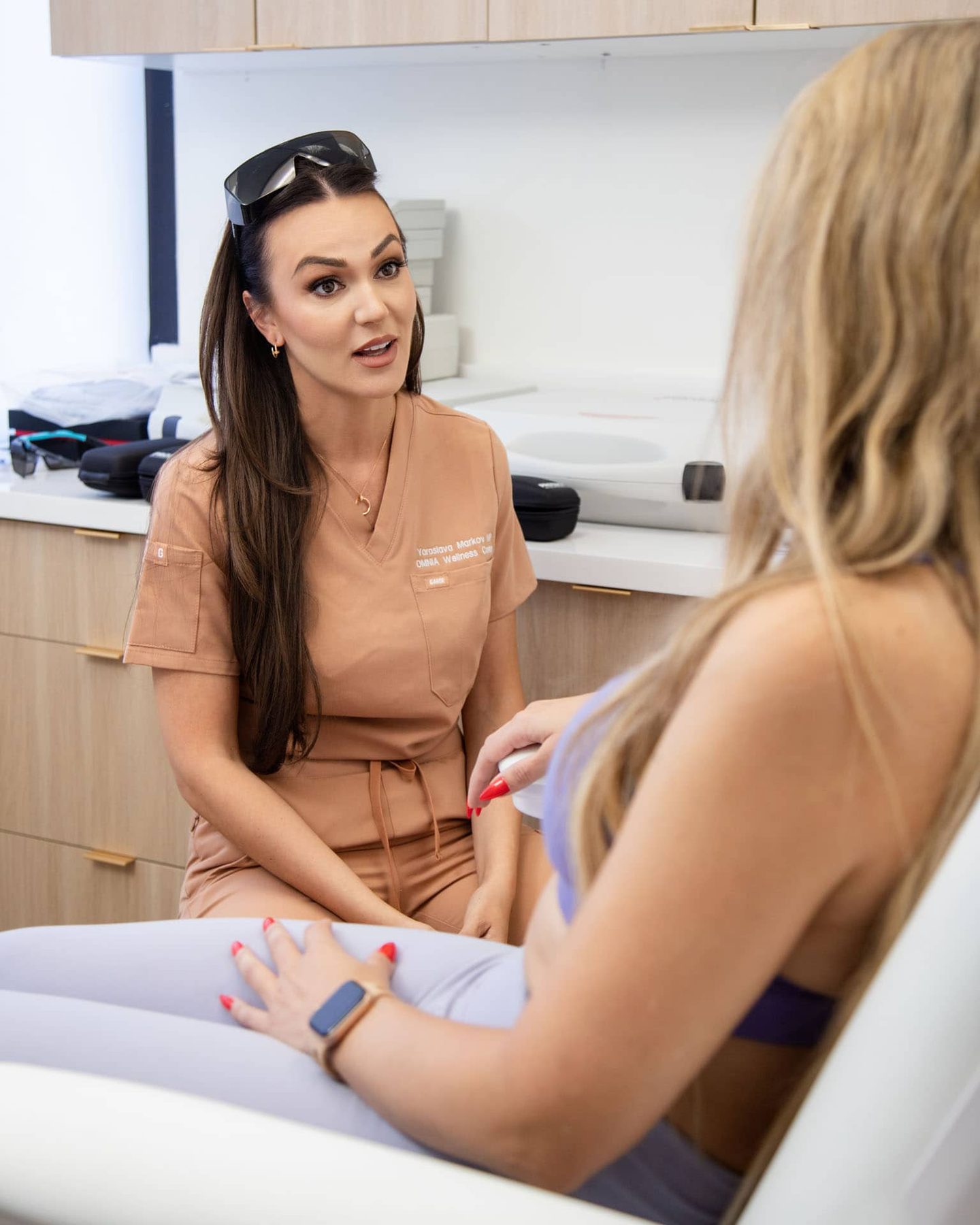
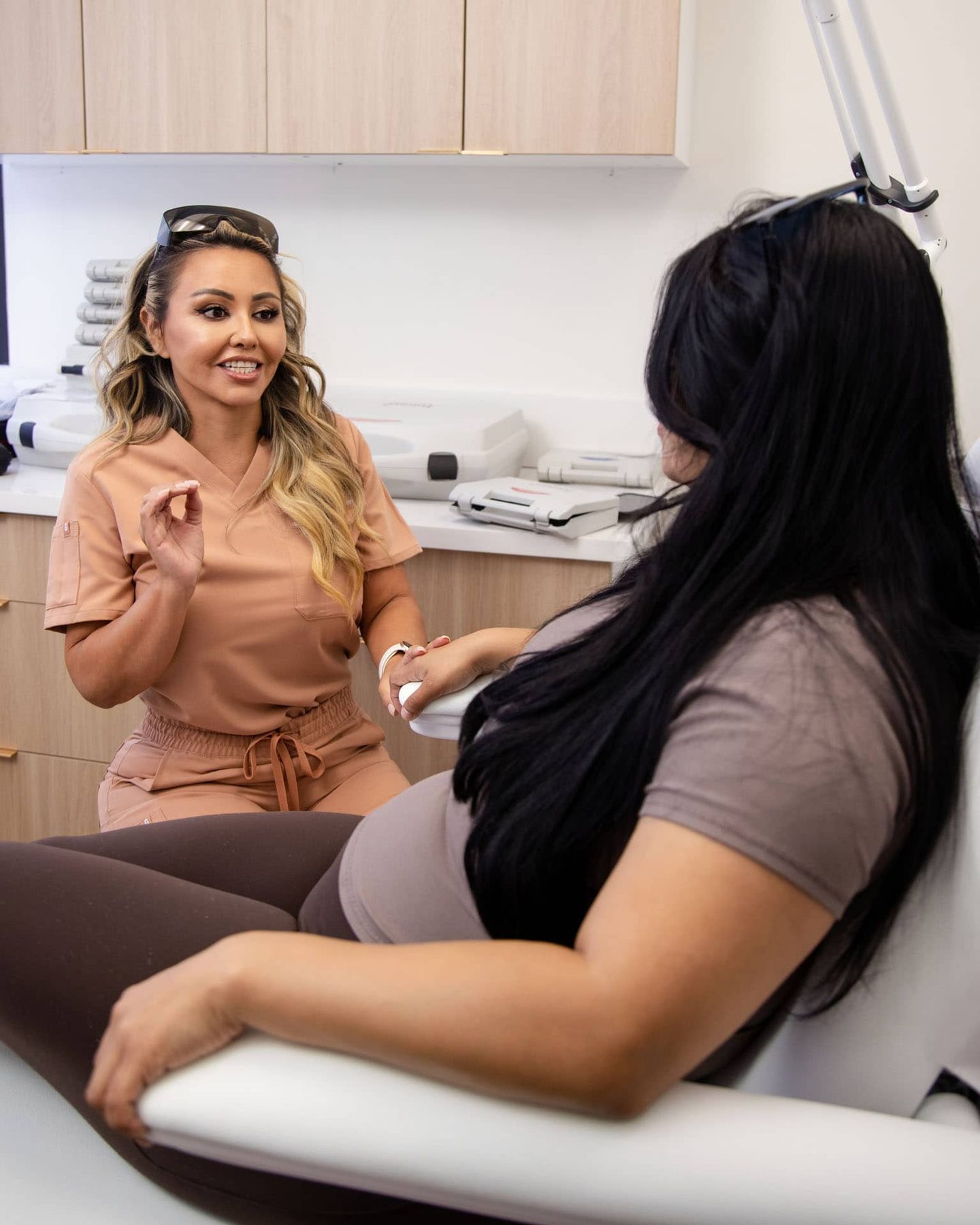
Aesthetic patients in Encino tend to be well informed, busy, and clear about what they want. They want fresher skin, better tone, a softer jawline, less creasing around the mouth and eyes, and a more rested look. They also want to avoid surgery if they can. That combination is exactly why interest in the Fotona 4D Laser Facial, often discussed alongside the TimeWalker platform, has grown so steadily in recent years.
What makes this treatment different is not hype. It is the way several laser modes can be layered in one session to address texture, laxity, superficial pigment concerns, and collagen remodeling from both inside and outside the mouth. Patients often come in asking for “one thing” that can tighten, brighten, and smooth without the downtime of a deep peel or the commitment of a facelift. In the right candidate, Fotona 4D gets closer to that goal than many single modality treatments.
If you are researching the Fotona 4D Laser Facial (TimeWalker) Encino, CA, it helps to understand what the procedure actually does, who tends to benefit most, what recovery really looks like, and where expectations need to stay realistic. This is not a miracle treatment, and that is exactly why it deserves a careful, practical discussion.
Why Fotona 4D stands out in facial rejuvenation
Many non-surgical facial treatments improve one issue well and leave the rest mostly untouched. A resurfacing laser may refine texture but do little for mild sagging. Radiofrequency may support some tightening but not significantly brighten dull skin. Injectables can lift selectively, but they do not replace collagen quality in the skin itself.
Fotona 4D takes a different approach. Rather than relying on one pass or one wavelength to do all the work, it uses multiple steps designed to treat different tissue depths. One of the signature features is the intraoral component, where energy is delivered from inside the mouth to stimulate tightening around the nasolabial folds and lower face. That is not something most facial lasers offer. When combined with external tightening and polishing, the treatment can create a result that feels more global and less piecemeal.
In practice, that matters because facial aging is layered. Volume shifts, collagen weakens, skin texture roughens, pores become more visible, and dynamic movement etches into static lines. A treatment that can speak to more than one layer at once usually produces a result that looks more natural. People may say you look healthier or better rested, rather than looking “done.”
What “TimeWalker” means in this setting
Patients sometimes see the terms Fotona 4D and TimeWalker used together and assume they are separate treatments. They are closely related. TimeWalker refers to a Fotona platform associated with advanced laser protocols and treatment customization. Depending on the office and exact device configuration, the branding may emphasize TimeWalker, Fotona 4D, or both.
What matters more than the name on the brochure is the protocol being performed and the experience of the provider. A skilled clinician adjusts settings, sequence, and treatment intensity based on skin quality, degree of laxity, redness, sensitivity, and the patient’s downtime tolerance. Two people can receive a treatment under the same umbrella name and have very different experiences because their skin goals differ.
That is one reason consultation quality matters so much. If the conversation sounds overly generic, that is a warning sign. Facial rejuvenation is not one-size-fits-all, especially in a community like Encino where many patients have prior injectables, previous laser history, sun exposure, or melasma tendencies that need to be factored in.
How the treatment works on the skin and soft tissue
Fotona 4D is best understood as a sequence of complementary laser steps. The exact protocol can vary, but the treatment generally combines internal tightening, fractional rejuvenation, deeper collagen stimulation, and a final light resurfacing effect.
The internal portion treats the mucosal tissue inside the mouth. This sounds unusual the first time patients hear it, but it is one of the defining strengths of the treatment. Heating tissue from the inside can help stimulate collagen and support soft tissue tightening in areas that often show early descent, particularly around the smile lines and lower cheeks.
The external stages then focus on the skin surface and deeper dermis. Some passes are meant to encourage tightening, while others target texture, enlarged pores, superficial roughness, and dullness. The cumulative effect is not simply “laser glow,” though many patients do notice that. The goal is structural improvement over time, not just a short-lived polished appearance.
A good comparison is home renovation. Repainting the walls helps, but if you can also reinforce what sits behind the walls, the result lasts longer and feels more substantial. That is the logic behind multi-step rejuvenation.
What concerns it can realistically improve
This treatment works best for patients with mild to moderate signs of aging who want visible improvement without the downtime and risk profile of surgery. It is often considered for early laxity, etched lines around the mouth, textural unevenness, and loss of brightness.
The most common concerns that respond well include:
- Fine lines and early wrinkles
- Mild skin laxity in the lower face and jawline
- Enlarged pores and rough texture
- Dull or tired-looking skin
- Softening of nasolabial fold prominence through collagen support
It is important to keep “improve” separate from “erase.” Deep jowling, heavy neck laxity, marked excess skin, or significant volume loss will not be fully corrected by laser treatment alone. Those patients may still benefit from Fotona 4D, but usually as part of a broader plan that may include biostimulatory injectables, filler, neuromodulators, skin care, or surgery.
In my experience, the happiest laser patients are not the ones chasing total transformation in a single visit. They are the ones who understand that facial rejuvenation is often cumulative. Small gains in texture, firmness, and brightness can add up to a meaningful change in how the face reads overall.
What a treatment session in Encino typically feels like
The experience is usually easier than people expect, but it is not identical for everyone. Most patients tolerate the treatment well. Sensation ranges from warmth and prickling on the skin to a mild snapping feeling during some passes. The intraoral portion feels different from external laser treatment, mostly because the tissue inside the mouth is more sensitive and unfamiliar territory for many people. Still, it is generally manageable.
Appointments often run around 45 minutes to a little over an hour, depending on whether the neck is included, whether topical numbing is used, and how customized the session is. Some offices apply topical anesthetic, while others may reserve it for more intensive treatment settings. Afterward, the face may look pink to moderately flushed, similar to a strong workout or a day in the sun. Swelling tends to be mild, though certain patients, especially those prone to puffiness, can swell a bit more for a day or two.
One thing that surprises first-time patients is how quickly they can usually return to normal social activity. You may not want a same-day event under bright restaurant lighting, but many people are comfortable going back to work the next day, particularly if the treatment was on the lighter side. Makeup timing depends on the exact protocol and how reactive the skin is.
Downtime, recovery, and what people often underestimate
This is where careful counseling matters. The phrase “minimal downtime” is broadly true, but it can still be misleading if not explained properly. Minimal does not mean zero. Skin can feel dry, warm, tight, and a little rough for several days. Some patients experience a bronzed or sandpapery phase as the surface renews. If settings are more aggressive, downtime can extend further.
The other issue people underestimate is timing of results. There may be an early glow within days, but collagen remodeling is gradual. Meaningful improvement often unfolds over weeks to months. Someone treating for an upcoming wedding or reunion should ideally not wait until the last minute. Planning at least several weeks ahead, often longer, gives the skin time to settle and improve.
For patients in Encino, where year-round sun exposure is part of life, post-treatment sun discipline is especially important. Even people who are usually casual about sunscreen need to be more serious after laser work. That means broad-spectrum sun protection, hats when practical, and sensible timing around outdoor exercise or long driving days with sun through the window.
Who tends to be a good candidate
The ideal candidate is usually someone with early to moderate visible aging who wants noticeable, natural-looking improvement and is willing to commit to skin maintenance. They may not be ready for surgery, or they may simply prefer to delay it. They usually value skin quality as much as lift.
The treatment can also make sense for patients who dislike injectables or want to reduce reliance on them. That said, laser and injectables are not enemies. In many practices, they complement each other beautifully. A patient might use a neuromodulator to relax expression lines, a small amount of filler or biostimulator to support volume where needed, and Fotona 4D to improve the quality and firmness of the skin envelope. When each tool stays in its lane, the face looks balanced.
Candidacy becomes more nuanced in patients with melasma, highly reactive skin, active acne flares, certain medications, recent tanning, or a history of post-inflammatory hyperpigmentation. These cases are not automatic exclusions, but they require more judgment. A provider who treats diverse skin responses and takes pre-treatment preparation seriously will usually manage these decisions more safely than someone who approaches every face the same way.
The consultation questions that actually matter
A polished before-and-after gallery is helpful, but it should not be your only filter. The real value of a consultation is whether the provider can explain where laser will help, where it will not, and what alternatives might be better.
Ask practical questions, not just marketing ones. Useful examples include:
- Am I a realistic candidate for Fotona 4D, or would another treatment fit my concerns better?
- How many sessions do you usually recommend for someone with my degree of laxity and texture change?
- What will my downtime likely look like based on my skin history?
- How do you handle pigmentation risk, especially if I tan easily or have had discoloration before?
- What maintenance schedule do you typically suggest after the initial series?
The best answers are specific. If every patient is promised the same number of sessions and the same glowing result, that usually reflects sales scripting more than medical judgment.
How many sessions are usually needed
This depends on the starting point and the goal. Some patients notice worthwhile change after one treatment, especially in brightness and texture. For collagen support and more appreciable tightening, a series is often recommended. In many offices, that may mean a handful of sessions spaced several weeks apart, followed by periodic maintenance.
There is no universal formula, and anyone who claims there is should raise your guard. A 42-year-old with early textural aging and mild lower-face softness is not the same as a 61-year-old with deeper wrinkling, heavier cheeks, and years of cumulative sun damage. Both can improve, but the treatment plan should reflect reality.
One practical pearl from clinic experience: patients who photograph themselves in the same lighting and angle every few weeks tend to appreciate their progress more clearly. Laser results are often incremental. When you see your face every day, it is easy to miss the shift until you compare images side by side.
Fotona 4D versus other non-surgical options
It helps to place this treatment in context. Patients in Encino often compare it to microneedling radiofrequency, IPL, fractional resurfacing, ultrasound tightening, and standard facials. Those comparisons are reasonable, but they are not direct one-to-one matches.
Fotona 4D generally offers a broader rejuvenation strategy than a basic facial or light peel. Compared with some standalone skin resurfacing lasers, it may offer a more layered tightening component. Compared with injectables, it works on tissue quality rather than replacing volume or freezing movement. Compared with surgery, it is less dramatic but also far less invasive.
That middle ground is why it appeals to so many people. They are not ready for a facelift, and they do not want to overfill the face trying to mimic one. They want improvement that preserves their features. In the best cases, that is exactly where this treatment shines.
Skin tone, pigment issues, and caution points
Any energy-based treatment requires attention to skin tone, pigment behavior, and healing patterns. While Fotona systems can be used thoughtfully across a range of patients, settings and treatment selection matter. Patients with active melasma or a history of lingering pigment after inflammation need an especially cautious plan.
This is where local expertise matters more than brand recognition. Encino practices see patients with varied ethnic backgrounds, mixed skin types, and very different levels of sun exposure. A provider who understands when to proceed, when to pre-treat with pigment-safe skin care, and when to Fotona 4D Laser Facial (TimeWalker) Encino, CA dial back intensity can make the difference between a smooth recovery and a frustrating one.
Another caution point involves expectations around severe laxity. Laser tightening can be impressive within the non-surgical category, but it still has limits. If the main issue is substantial lower-face heaviness or neck skin excess, a surgical conversation may actually be the more honest and cost-effective route. Good aesthetic medicine does not force every patient into the same treatment. It matches the tool to the anatomy.
Pairing treatment with medical-grade skin care
Laser work performs better when the skin is supported before and after. That does not mean a cabinet full of products. It usually means a streamlined routine with a gentle cleanser, moisturizer, broad-spectrum sunscreen, and, when appropriate, ingredients that support turnover and pigment control once healing allows.
Patients often want to know if they can keep using retinoids, exfoliating acids, or brightening serums right away. The answer is usually no, at least not immediately. The skin barrier needs time to settle. Rushing back into strong actives can prolong redness and irritation. A thoughtful office will give clear aftercare, not vague instructions.
Long term, the combination of periodic in-office treatment and consistent daily sun protection usually does more for facial aging than any single splashy procedure. That may not sound glamorous, but it is true in practice. The patients who age best are rarely the ones chasing emergency fixes. They are the ones who stay steady.
What to expect from Fotona 4D Laser Facial (TimeWalker) Encino, CA providers
The Encino market includes a Fotona 4D Laser Facial (TimeWalker) Encino, CA wide spectrum of aesthetic practices, from highly medicalized settings to boutique cosmetic studios. That means your experience can vary widely depending on who performs the treatment, how the office evaluates candidacy, and whether follow-up is taken seriously.
A strong provider relationship should include honest discussion about timing, realistic outcomes, possible side effects, and maintenance. It should also include a willingness to say no when something else would serve you better. That kind of restraint is often the mark of an experienced practice.
If you are seeking the Fotona 4D Laser Facial (TimeWalker) Encino, CA, think beyond the device itself. The technology matters, but technique, patient selection, and aftercare matter just as much. A beautiful result often comes from small decisions made well, not from the machine alone.
The bottom line for patients considering treatment
For the right patient, Fotona 4D offers a sophisticated non-surgical option for facial rejuvenation. It can improve tone, texture, early laxity, and overall freshness with less downtime than more aggressive procedures. Its multi-layer approach is a genuine strength, especially for people who want subtle but visible change and prefer to avoid surgery.
It is not a substitute for every other treatment, and it should not be sold that way. It will not remove excess skin, replace major volume loss, or produce facelift-level lifting. What it can do, when used thoughtfully, is help the face look firmer, smoother, brighter, and more rested without making those changes obvious to everyone around you.
That is often the sweet spot in aesthetic medicine. Not a new face. A better version of your own.
OMNIA Wellness Center
16430 Ventura Blvd Ste 207, Encino, CA 91436
Phone: +1 818-386-8511
FAQ About Fotona 4D Laser Facial (TimeWalker) Encino, CA
What is a Fotona laser good for?
Fotona lasers support several different aesthetic protocols. The Fotona 4D facial uses two wavelengths and four treatment modes to address concerns such as fine lines, skin texture, and mild laxity. OMNIA Wellness Center offers the TimeWalker facial with an individual consultation. Suitability and likely improvement depend on the person's skin and goals; results are not guaranteed, and this treatment does not reproduce a surgical facelift.
How much does a Fotona laser treatment cost?
The cost depends on the treatment protocol, areas treated, number of sessions, and provider's assessment. Ask OMNIA Wellness Center for a current written quote that explains what is included, whether follow-up is included, and any proposed package terms. An individualized estimate is more useful than assuming that one advertised price applies to every facial treatment.
How much downtime is there after a Fotona laser procedure?
Recovery varies with the specific protocol and intensity. Fotona describes its 4D facial as having little to no downtime, but temporary redness or sensitivity can occur, and a stronger surface treatment can require more recovery. Ask the treating clinician what to expect from the planned settings, how to care for the skin afterward, and when to contact the clinic with concerns.